

Basic Principles on the Role of Lawyers
Whereas adequate protection of the human rights and fundamental freedoms to which all persons are entitled, be they economic, social and cultural, or civil and political, requires that all persons have effective access to legal services provided by an independent legal profession.
Governments shall ensure that efficient procedures and responsive mechanisms for effective and equal access to lawyers are provided for all persons within their territory and subject to their jurisdiction, without distinction of any kind, such as discrimination based on race, colour, ethnic origin, sex, language, religion, political or other opinion, national or social origin......
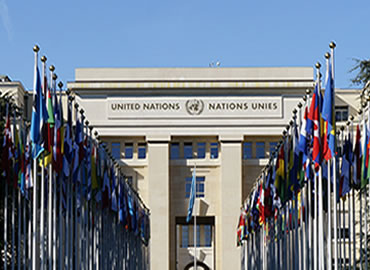
Code of Conduct for Law Enforcement Officials
Law enforcement officials shall at all times fulfil the duty imposed upon them by law, by serving the community and by protecting all persons against illegal acts, consistent with the high degree of responsibility required by their profession.
The term "law enforcement officials', includes all officers of the law, whether appointed or elected, who exercise police powers, especially the powers of arrest or detention. In the performance of their duty, law enforcement officials shall respect and protect human dignity and maintain and uphold the human rights of all persons.
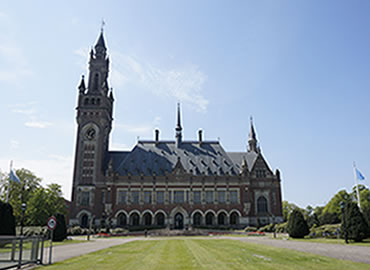
Basic Principles of Justice for Victims
"Victims" means persons who, individually or collectively, have suffered harm, including physical or mental injury, emotional suffering, economic loss or substantial impairment of their fundamental rights, through acts or omissions that are in violation of criminal laws operative within Member States,including those laws proscribing criminal abuse of power.
Victims should be treated with compassion and respect for their dignity. They are entitled to access to the mechanisms of justice and to prompt redress, as provided for by national legislation, for theharm that they have suffered.
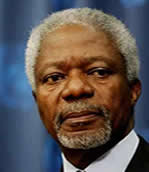
Kofi Annan
The Universal Declaration of Human Rights prohibited all forms of torture and cruel, inhuman or degrading treatment or punishment, torture remains unacceptably common. States must honour this prohibition and vigorously combat the impunity of perpetrators of torture. Those who conceive of or authorize any form of torture and other cruel, inhuman or degrading treatment, and those who commit such acts, should not go unpunished.
Eleanor Roosevelt
Where, after all, do universal human rights begin? In small places, close to home - so close and so small that they cannot be seen on any maps of the world. Yet they are the world of the individual person; the neighborhood he lives in; ... Unless these rights have meaning there, they have little meaning anywhere. Without concerted citizen action to uphold them close to home, we shall look in vain for progress in the larger world.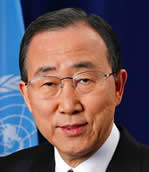
Ban Ki-moon
Drafted amid utter destruction and destitution following the Second World War, the Declaration reflects humanity’s aspirations for a future of prosperity, dignity and peaceful coexistence. Its adoption was a landmark. Today, the Declaration remains a core part of the UN’s very identity. The challenges we face today are as daunting as those that confronted the Declaration’s drafters.
International Human Rights Charter
Human Rights are universal legal guarantees protecting individuals and groups against actions by Governments that interfere with
fundamental freedoms and human dignity. Human rights law obliges Governments to do some things and prevents them from doing others.
International Covenant on Civil and Political Rights
The States Parties to the present Covenant,
Considering that, in accordance with the principles proclaimed in the Charter of the United Nations, recognition of the inherent dignity and of the equal and inalienable rights of all members of the human family is the foundation of freedom, justice and peace in the world,
Recognizing that these rights derive from the inherent dignity of the human person,
Recognizing that, in accordance with the Universal Declaration of Human Rights, the ideal of free human beings enjoying freedom from fear and want can only be achieved if conditions are created whereby everyone may enjoy his economic, social and cultural rights, as well as his civil and political rights,
Each State Party to the present Covenant undertakes: to ensure that any person whose rights or freedoms as herein recognized are violated shall have an effective remedy, to ensure that the competent authorities shall enforce such remedies when granted.
Universal Declaration of Human Rights
Whereas recognition of the inherent dignity and of the equal and inalienable rights of all members of the human family is the foundation of freedom, justice and peace in the world;
Whereas Member States have pledged themselves to achieve, in cooperation with the United Nations, the promotion of universal respect for and observance of human rights and fundamental freedoms;
Now, therefore, The General Assembly,
Proclaims this Universal Declaration of Human Rights as a common standard of achievement for all peoples and all nations, to the end that every individual and every organ of society, keeping this Declaration constantly in mind, shall strive by teaching and education to promote respect for these rights and freedoms and by progressive measures, national and international, to secure their universal and effective recognition and observance......
All human beings are born free and equal in dignity and rights. They are endowed with reason and conscience and should act towards one another in a spirit of brotherhood.
International Covenant on Economic, Social and Cultural Rights
The States Parties to the present Covenant,
Considering that, in accordance with the principles proclaimed in the Charter of the United Nations, recognition of the inherent dignity and of the equal and inalienable rights of all members of the human family is the foundation of freedom, justice and peace in the world,
Recognizing that these rights derive from the inherent dignity of the human person,
Recognizing that, in accordance with the Universal Declaration of Human Rights, the ideal of free human beings enjoying freedom from fear and want can only be achieved if conditions are created whereby everyone may enjoy his economic, social and cultural rights, as well as his civil and political rights,
The States Parties to the present Covenant undertake to guarantee that the rights enunciated in the present Covenant will be exercised without discrimination of any kind as to race, colour, sex, language, religion, political or other opinion, national or social origin, property, birth or other status.